Know your limits drawing the line in Webster
Roof work is not the place to cut corners. In Webster, a DIY fix might save a bit of money today, but a small mistake can lead to bigger costs later. The key is recognizing what you can safely handle and what needs a pro’s touch.
First, assess safety. If you’re uncomfortable on a ladder, on a pitched roof, or working near electrical lines, stop and call a pro. Falls are a leading cause of injuries with home projects, and a single misstep can cause serious harm.
When a homeowner can do it themselves
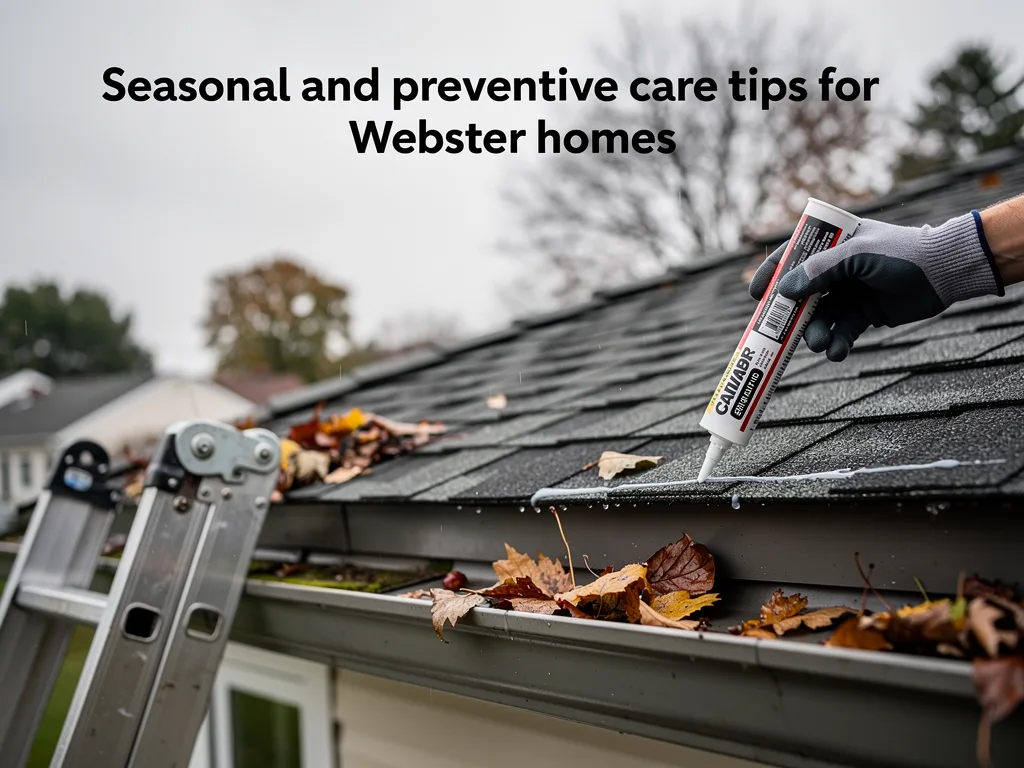
Minor tasks such as clearing debris from gutters, removing loose shingles around the edge of the roof, or resealing a small vent boot with compatible primer and sealant can be within reach for a careful homeowner. Make sure you use the right sealants and follow manufacturer directions. Take photos before you start so you have a reference for any future work.
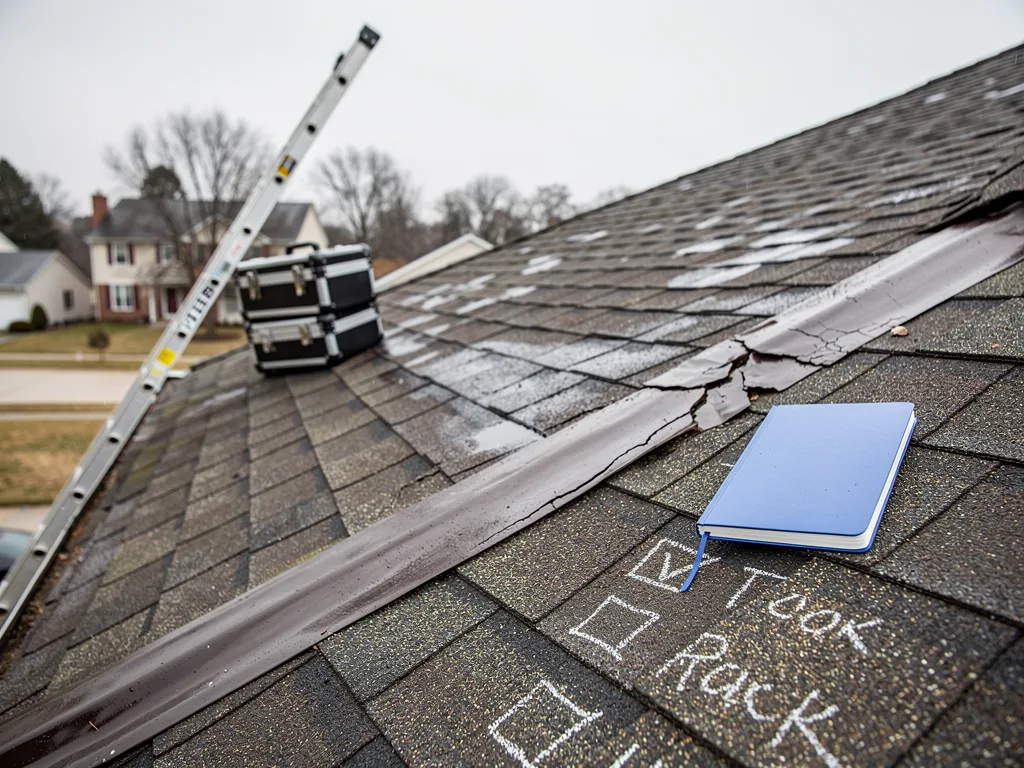
Another DIY-friendly task is a quick exterior inspection after a storm. You can check for obvious damage on the surface from ground level, note the area with higher worry, and then call a roofer with clear photos to help diagnose the issue. This saves you time and helps the roofer prepare for the visit.
When to call a Webster roofer
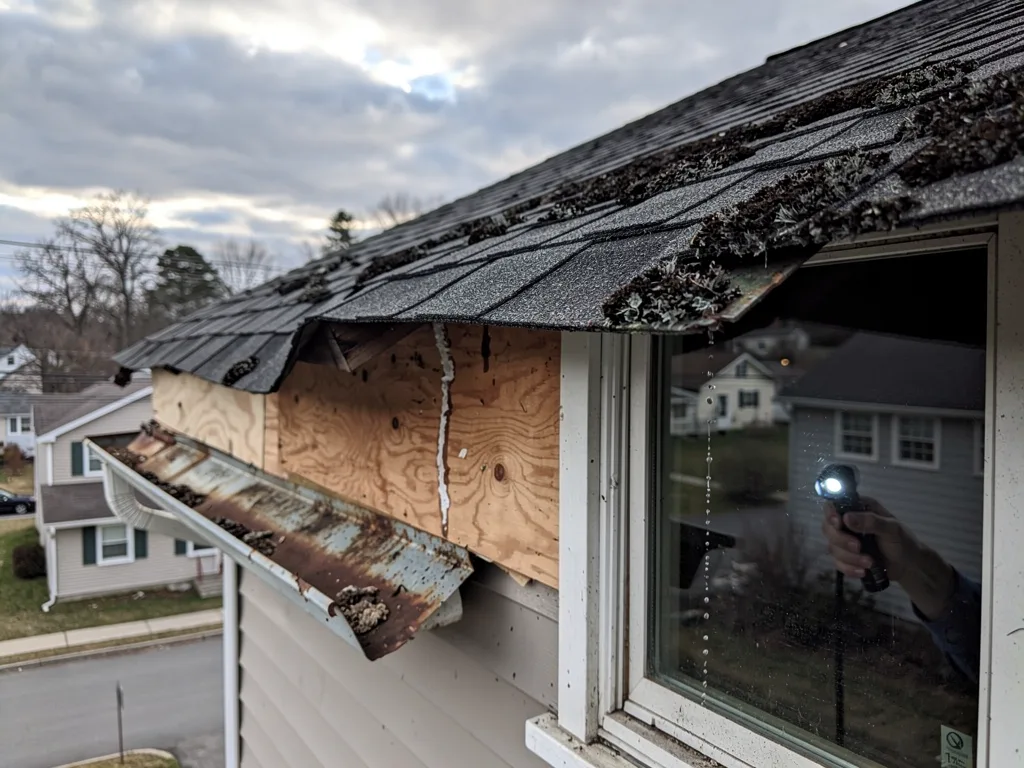
If you see active leaks, significant shingle damage, widespread curling, or many loose flashing pieces, it’s time to bring in a pro. A roofer can safely access the roof, identify the root cause, and perform proper repairs or a patch that matches your roof type. We also handle more involved tasks like sealing around chimneys or skylights, repairing flashing, replacing damaged sections, and checking attic ventilation to protect your home from moisture buildup.
Webster Roof Company Pros offers a professional assessment that includes a clear explanation of options, expected costs, and a timeline. We’ll walk you through the plan with practical next steps and keep you informed at every stage.
Practical tips for Webster homeowners
Before you pick up tools, establish a plan. Have a sturdy ladder, a helper, and basic safety gear. If you decide to proceed with a small sealant repair, choose materials that don’t trap moisture or trap heat in a closed area. For anything beyond a simple seal, call a pro so you don’t risk bigger problems down the road.